
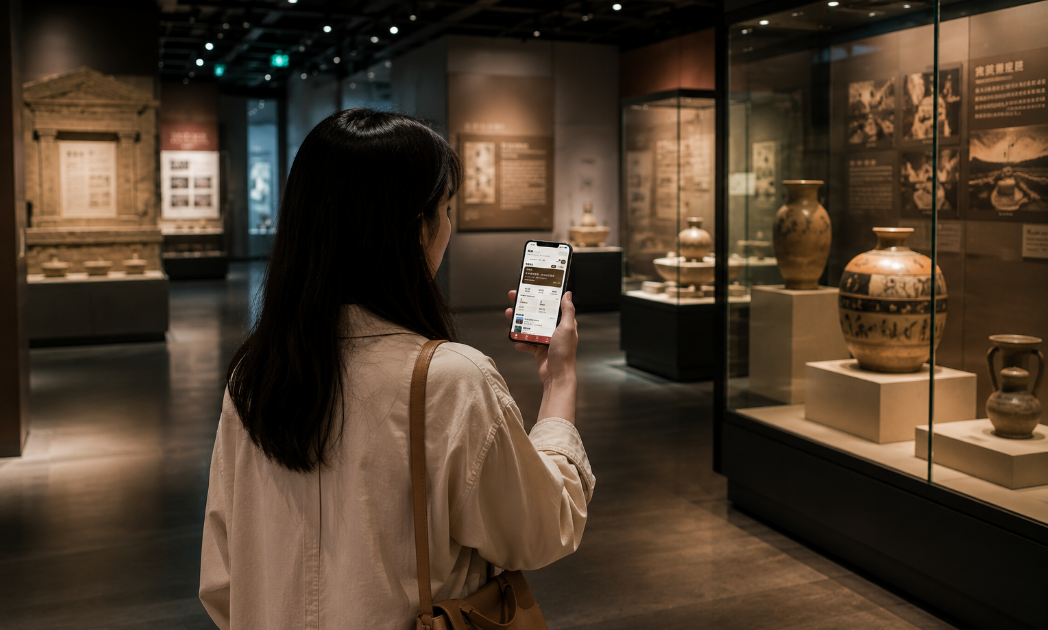
As digital technologies and artificial intelligence continue to evolve, more museums are embracing digital transformation. The shift from traditional exhibition models to smart museums has become a major trend across the museum and cultural heritage sector.
But what exactly does museum digital transformation include? Which systems play the most important role in improving visitor experiences and operational efficiency?
In this guide, we explore the key components of smart museum development in 2026.
What Is Museum Digital Transformation?
Museum digital transformation refers to the use of technologies such as the Internet, big data, the Internet of Things (IoT), and artificial intelligence (AI) to enhance exhibitions, visitor services, operations, and data management.
A well-designed digital strategy not only improves the visitor experience but also enables museums to operate more efficiently and make data-driven decisions.
Today, most smart museums incorporate the following core functions:
- Audio Guide Systems
- Collection Management
- Data Analytics
- Multilingual Services
- Smart Operations Management
1. Audio Guide Systems
Among all digital museum technologies, audio guide systems are often the most visible and valuable to visitors.
Traditional guided tours face several challenges:
- High labor costs
- Fixed tour schedules
- Limited service coverage
- Difficulty supporting multiple languages
Modern audio guide systems provide a flexible and scalable solution.
Common Audio Guide Methods
WeChat Mini Program Audio Guides
Visitors do not need to download a dedicated app.
Using WeChat, they can access:
- Text and image descriptions
- Audio narration
- Video content
- Indoor navigation
Bluetooth Automatic Audio Guides
Using BLE beacon technology, audio content is automatically triggered when visitors approach an exhibit.
No QR-code scanning is required.
This creates a seamless experience where information is delivered exactly when and where it is needed.
AI-Powered Audio Guides
With artificial intelligence, museums can offer:
- Automated narration
- Intelligent Q&A services
- Real-time language translation
- Personalized recommendations
AI-powered interpretation is rapidly becoming an important part of future smart museum experiences.
2. Digital Collection Management
Museum collections are among the institution’s most valuable assets.
Digital collection management systems help museums organize, preserve, and access collection data efficiently.
Collection Information Management
Typical functions include:
- Object identification and cataloging
- Classification management
- Image management
- Document and archive management
Digital Archiving
A comprehensive digital archive may include:
- High-resolution images
- 3D models
- Conservation records
- Loan and exhibition history
These digital records support long-term preservation and efficient retrieval.
3. Multilingual Interpretation Services
As museums welcome more international visitors, multilingual services have become increasingly important.
Traditionally, museums needed to produce separate recordings for:
- Chinese
- English
- Japanese
- Korean
and many other languages.
Today, AI-powered technologies enable:
- Real-time translation
- Automated voice generation
- Multilingual audio guides
This allows museums to serve global audiences more efficiently and at a lower cost.
4. Smart Data Analytics
Data has become one of the most valuable assets in modern museum management.
Through analytics platforms, museums can gain insights into:
Visitor Demographics
Including:
- Geographic distribution
- Age groups
- Visitor profiles
Popular Exhibits
Understanding:
- Which exhibits attract the most attention
- Average dwell time
- View and interaction counts
Visitor Behavior
Analyzing:
- Visitor pathways
- Audio guide usage
- Audio playback statistics
These insights help museums continuously improve exhibitions and visitor engagement.
5. Smart Operations Management
Smart operations platforms help museums manage technology infrastructure more effectively.
Equipment Management
Including:
- BLE beacon devices
- Digital guide equipment
- Monitoring of device status and performance
Maintenance Management
Functions include:
- Fault detection and alerts
- Remote maintenance
- Data backup and recovery
These capabilities improve reliability while reducing operational costs.
Future Trends: AI-Powered Smart Museums
Museum digital transformation will continue to evolve with advances in AI and immersive technologies.
Key trends include:
AI Digital Docents
Virtual assistants capable of answering visitor questions using natural language.
Personalized Visitor Experiences
Content recommendations based on visitor interests and behavior.
Digital Human Guides
Virtual presenters that provide immersive storytelling and interactive interpretation.
Museum-Wide Multilingual Services
Making exhibitions accessible to visitors from around the world.
Conclusion
Museum digital transformation is far more than adding digital screens to exhibition halls. It is about leveraging technology to enhance visitor services, improve operational efficiency, and unlock new opportunities for engagement.
From audio guides and collection management to data analytics and smart operations, each system contributes to the development of a truly smart museum.
For many museums, audio guide systems remain one of the most cost-effective digital investments, delivering significant improvements in visitor experience while serving as an essential foundation for broader digital transformation initiatives.