
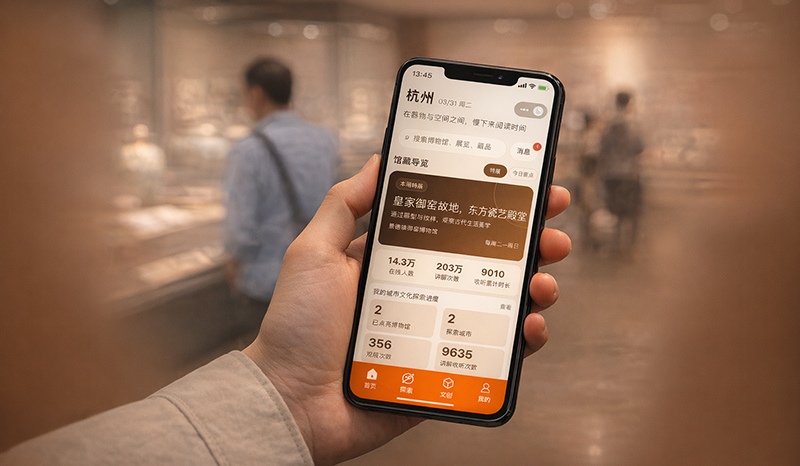
With the development of smart museums and digital cultural tourism, more and more venues are introducing audio guide systems. However, in actual decision-making, many managers still ask:
👉 Is it really necessary to implement an audio guide system?
👉 Is it worth the investment?
This article will help you analyze the question from a practical operations perspective.
1. What Problems Arise Without an Audio Guide System?
Without an audio guide system, most museums still rely on:
- Human docents
- Traditional audio guide devices
However, these methods have clear drawbacks:
1️⃣ Limited coverage with human docents
- Requires appointments or queuing
- Cannot accommodate all visitors
2️⃣ High cost of audio guide devices
- High procurement and maintenance costs
- Requires deposits and manual management
3️⃣ Inconsistent visitor experience
- Quality varies between different docents
- Visitors cannot control the pace of their tour
2. Changes Brought by an Audio Guide System
🟢 Enhances Visitor Experience
- Explore exhibits freely
- Listen anytime
- No waiting required
🟢 Reduces Operational Costs
- Less reliance on human docents
- No need for device rentals
🟢 Supports Multilingual Services
- International visitors can use it directly
- Improves service quality
🟢 Enables Data-Driven Operations
- Identify the most popular exhibits
- Track visitor dwell time
- Analyze audio guide usage behavior
3. Which Museums Really Need It?
✔ Strongly recommended for venues that:
- Have a high volume of visitors
- Receive international visitors
- Have rich and extensive exhibit content
- Have a clear need for interpretation services
✔ Recommended for gradual implementation in venues such as:
- Small to medium-sized museums
- Local cultural centers
- Temporary exhibitions
👉 These venues can start with QR code guides or Mini Program guides first
❗ May not need to implement it immediately if the venue:
- Has relatively few exhibits
- Offers short visit durations
- Has little or no need for interpretation services
4. Is It Worth the Investment? It Depends on These Three Key Factors
1️⃣ Frequency of Use
If visitors clearly have a need for interpretation:
👉 Then it is worth the investment
2️⃣ Ability to Control Costs
By adopting:
👉 a Mini Program guide solution
you can significantly reduce costs.
3️⃣ Venue Positioning
If the venue is:
- A key cultural venue in the city
- A tourism destination
👉 Then an audio guide system is strongly recommended
5. Recommended Implementation Path (Very Important)
Instead of launching a full-scale system right from the beginning, it is better to proceed step by step:
Step 1
👉 Launch a Mini Program audio guide first (low cost)
Step 2
👉 Add multilingual support
Step 3
👉 Deploy Bluetooth-triggered automatic narration in key areas
👉 View the full solution:
https://en.shuimba.com/mobile-version/
6. Conclusion
👉 The question is not whether to build an audio guide system,
but rather:
when to implement it, and how to do it in the most suitable way
📞 Get Solution Recommendations
If you are currently evaluating whether to build a guide system: